“19 years” search results (2000)

Introduction to the Roaster Museum
Since the mid-19th century, coffee-roasting technology has evolved from the simplest home stove with a pan to today's giant computer-controlled automated roasting equipment (which can roast nearly five tons of coffee beans per hour).
2014-07-22 Coffee knowledge roaster museum coffee roasting
Introduction to Renas Manor in El Salvador Coffee Flavor producing area
In the 19th century, coffee in El Salvador was an important cash crop, and the government legislated to collect taxes and encourage planting and export. although coffee farmers in El Salvador could not get technical or financial assistance, they were in the growth of production per hectare, it is quite excellent among many coffee-producing countries! The output value of coffee is like a locomotive, which is important to the basic transportation construction and the development of light industry in Saudi Arabia.
2016-07-14 El Salvador Coffee Manor Flavor producing area introduction Linus Nass 19th
Introduction to the main producing areas of Salvadoran Coffee Bean
In the 19th century, coffee in El Salvador was an important cash crop, and the government legislated to collect taxes and encourage planting and export. although coffee farmers in El Salvador could not get technical or financial assistance, they were in the growth of production per hectare, it is quite excellent among many coffee-producing countries! The output value of coffee is like a locomotive, which is important to the basic transportation construction and the development of light industry in Saudi Arabia.
2016-07-20 El Salvador coffee beans main producing areas manors introduction coffee flavor 19th century
Kenyan Coffee Culture starts and ends the Development of Kenyan Coffee
Coffee entered Kenya in the 19th century, when Ethiopian coffee drinks were imported into Kenya through southern Yemen. But it was not until the early 20th century that the Bourbon Coffee Tree was created by the St. Austen Mission (St). Austin Mission) is introduced. Kenyan coffee is mostly grown at an altitude of 1500 to 2100 meters and is harvested twice a year. To ensure that only ripe berries are picked, people must
2016-05-26 Kenya coffee culture start and end coffee development course 19th century enter
The History of Coffee utensils the Origin of Belgian pots
The Belgian pot is a kind of special coffee pot. Today, the ornamental value of the Belgian pot is much greater than its practical value. People who buy Belgian pots rarely use Belgian pots to make coffee and are more likely to decorate them. After all, the Belgian pot gets its name from the fact that it was invented in the 19th century and was used exclusively by the Belgian royal family. Because of its exquisite and ingenious structure and gorgeous appearance, the Belgian pot got its name.
2014-11-06 Coffee knowledge coffee utensils Belgian pot
Kenya Coffee-Kenya Coffee
Coffee arrived in Kenya in the 19th century, when Ethiopian coffee drinks were imported to Kenya via South Yemen. But it wasn't until the early 20th century that bourbon coffee trees were introduced by St. Austin's Mission (St. Austin Mission) was introduced. Kenyan coffee is mostly grown at altitudes of 1,500 to 2,100 meters and harvested twice a year. To ensure that only ripe berries are picked, people must be present
2016-03-24 coffee origin introduction kenya boutique 19th century entry
The Origin of the Royal Belgian Pot Coffee Pot
The origin of the Belgian pot. The Belgian pot is a kind of special coffee pot. Today, the ornamental value of the Belgian pot is much greater than its practical value. People who buy Belgian pots rarely use Belgian pots to make coffee and are more likely to decorate them. After all, the Belgian pot gets its name from the fact that it was invented in the 19th century and used exclusively by the Belgian royal family because of its exquisite and ingenious structure.
2015-11-04 Royal Belgian coffee pot origin Belgium belongs to a kind of comparison
Popular Kenyan coffee African flavor coffee
Coffee entered Kenya in the 19th century, when Ethiopian coffee drinks were imported into Kenya through southern Yemen. But it was not until the early 20th century that the Bourbon Coffee Tree was created by the St. Austen Mission (St). AustinMission) is introduced. Kenyan coffee is mostly grown at an altitude of 1500 to 2100 meters and is harvested twice a year. To ensure that only ripe berries are picked, people must be in the forest
2016-05-21 Popular Kenya coffee Africa flavor 19th century enter Kenny
Kenya Coffee Kenya Coffee is a unique and wonderful coffee with fruit flavor
Kenyan coffee plantations: the fruity aroma of african times entered kenya in the 19th century, when ethiopian coffee drinks were imported to kenya via southern yemen. But it wasn't until the early 20th century that bourbon coffee trees were grown by St. Austin Mission introduced. Kenya coffee is mostly grown at an altitude of 1500 to 2100 meters and harvested twice a year. to ensure that only
2016-03-29 There is one unique wonderful fruit flavor boutique coffee Kenya
The "Olympic" event of the coffee industry landed in Yunnan to promote Yunnan coffee to go out.
People's Daily, Kunming, August 26 (Xu Qian) the reporter learned that after more than two years of preparation, the Olympic World Coffee Science Conference, known as the coffee community, will be held in Yunnan from November 13 to 19. This is the first time that China has held a world coffee science conference. At that time, hundreds of industry elites from more than 40 countries will gather in Chuncheng, which will be a time to let the world know about Yunnan coffee.
2016-08-29 Coffee Olympics grand event landing Yunnan help push go out
Coffee Culture World Coffee History Development process 2
The first European description of coffee in 1573 was through German doctors staying in Syria. In the second half of the 16th century, the European people who traveled on the east coast of the land gradually spread. The British East India Company was established in 1660 and the East India Company was established in the Netherlands in 1602. The East India Company refers to the trade between Asia and Europe, South Asia and the East in the 17th and 19th centuries.
2015-01-15 Coffee Culture World Coffee History Development process 1573 Europeans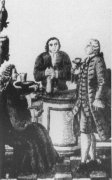
A brief History of Coffee in the World (2)
The first European description of coffee in 1573 was through German doctors staying in Syria. In the second half of the 16th century, the European people who traveled on the east coast of the land gradually spread. The British East India Company was established in 1660 and the East India Company was established in the Netherlands in 1602. The East India Company refers to the trade between Asia and Europe, South Asia and the East in the 17th and 19th centuries.
2014-05-23 Coffee history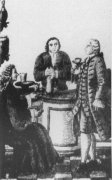
A brief History of World Coffee (2) World History of Fine Coffee
The first European description of coffee in 1573 was through German doctors staying in Syria. In the second half of the 16th century, the European people who traveled on the east coast of the land gradually spread. The British East India Company was established in 1660 and the East India Company was established in the Netherlands in 1602. The East India Company refers to the trade between Asia and Europe, South Asia and the East in the 17th and 19th centuries.
2015-06-15 World coffee history boutique world history 1573 Europeans the most
Coffee brewing made a comeback a hundred years ago
At the end of the 19th century and the beginning of the 20th century, Bentz Melitta, a German housewife, thought it was too troublesome to make coffee now. One day, she made a hole in the bottom of the copper bowl, took out an blotting paper from her son's schoolbag and put it into the hot water. Immediately, the mellow coffee dripped into the pot through the blotting paper. That's how she invented the ability to filter dregs and retain mellow coffee.
2015-03-06 Ten years ago coffee brewing re-popular at the end of the century 20th century Germany a
Cultural History of Fine Coffee Coffee Communication History (2)
The first European description of coffee in 1573 was through German doctors staying in Syria. In the second half of the 16th century, the European people who traveled on the east coast of the land gradually spread. The British East India Company was established in 1660 and the East India Company was established in the Netherlands in 1602. The East India Company refers to the trade between Asia and Europe, South Asia and the East in the 17th and 19th centuries.
2015-03-10 Boutique coffee cultural history communication 1573 Europeans initially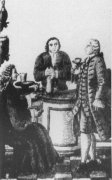
The Development of World Coffee in World History 2
The first European description of coffee in 1573 was through German doctors staying in Syria. In the second half of the 16th century, the European people who traveled on the east coast of the land gradually spread. The British East India Company was established in 1660 and the East India Company was established in the Netherlands in 1602. The East India Company refers to the trade between Asia and Europe, South Asia and the East in the 17th and 19th centuries.
2015-07-27 World Coffee World History medium Development process 1573 Europeans
Coffee planting conditions Coffee planting techniques in China
In the 19th century, coffee was grown almost all over the country, followed by a coffee boom that lasted nearly a century. The extensive cultivation of coffee has brought wealth and prosperity to Brazil. At the beginning of the 20th century, Brazil accounted for more than 75% of the world's total coffee production, thus winning the reputation of the coffee kingdom. Coffee is one of the important pillars of Brazil's national economy. The whole country
2016-07-16 Coffee planting conditions China Technology 19th Century Brazil several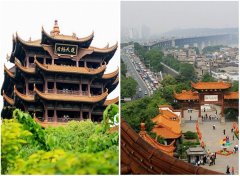
Coffee basic knowledge Coffee consumption Culture in Wuhan, China
Wuhan, a beautiful city. Report in 2001: Wuhan teahouse coffee shop drinks 350 million yuan a year. Zhongxin Hubei News on March 19th: green tea lasts forever and coffee lasts forever. This is probably a classic summary of the rising culture of tea, coffee and leisure among Wuhan citizens in recent years. According to the special theme of "Tea, Coffee and Leisure Culture" just concluded by the Central South Social Research Institute.
2015-06-17 Coffee Foundation Common sense China Wuhan consumption Culture one Beauty
Starbucks Coffee Prices in 2010
Coffee (2010 Starbucks coffee types and coffee prices) Mocha coffee (Caff Mocha ) 23(regular) 26(medium) 29(large) is the favorite of Japanese MM, is the kind of full cup and very beautiful things. Caff Americano 16(regular) 19(medium) 23(large)
2015-05-04 Barker Coffee Price 2010 Year Statistics
Coffee brewing made a comeback a hundred years ago
At the end of the 19th century and the beginning of the 20th century, Bentz Melitta, a German housewife, thought it was too troublesome to make coffee now. One day, she made a hole in the bottom of the copper bowl, took out an blotting paper from her son's schoolbag and put it into the hot water. Immediately, the mellow coffee dripped into the pot through the blotting paper. That's how she invented the ability to filter dregs and retain mellow coffee.
2015-03-06 Ten years ago coffee brewing re-popular at the end of the century 20th century Germany a